
Tunceli
- Eastern Anatolia Region
About Tunceli
Tunceli province, in the Upper Euphrates section of the Eastern Anatolia region, is bounded to the north and west by the Munzur Mountains and the Karasu River, to the east by the Bingöl Mountains and the Peri stream, and to the south by the Keban Dam Lake. Enclosed by clear natural boundaries, the province borders Bingöl and Elazığ to the east, Elazığ to the south, and Erzincan to the west and north. According to the 2000 census, Tunceli had a total population of 93,548, making it Türkiye's least populous province that year. According to TÜİK's 2025 data, with 85,083 people it is the second least populous province after Bayburt. The population density of 12 people/km² is very low compared with the Türkiye average (73 people/km²). Tunceli has a scattered settlement pattern: 42% of the province's population lives in villages and 58% in the provincial and district centres.
With an area of 7,774 km², Tunceli covers 1% of Türkiye's territory.
Tunceli province can be reached only by road. The road and railway linking Erzincan to Erzurum run through the Karasu River valley, which forms the natural boundary to the north and west of the province. The road running north–south through the province and linking Erzincan to Elazığ passes through the city of Tunceli.
The province's land rises from south to north and from west to east: 70% of it is mountains, 25% plateaus and 5% plains and flat ground.
The north-west, north and north-east of this mountainous, rugged province are broken up by the Munzur (Mercan) Mountains, an extension of the Eastern Taurus. The province's highest point is Akbaba Tepesi, at 3,463 metres, in the east of the Munzur Mountains. The high parts of the Munzur Mountains form the natural boundary in the north and north-west of the province.
Many of the streams rising within Tunceli are gathered by the Karasu and Murat rivers. The Karasu forms the natural boundary in the north-west and the Peri stream in the south-east. These rivers, along with the Munzur, the Pülümür and the Tahar streams flowing within the province, empty into the Keban Dam Lake in the south.
Apart from many small crater lakes high in the mountains, the province has no important natural lake. On its southern border, the Keban Dam Lake forms a very large expanse of water.
The main areas of flat land are the Ovacık and Pülümür depressions and small plains where the river valleys widen. Some wide plains that were once farmland now lie under the waters of the Keban Dam Lake.
The north-east of the province lies on the earthquake belt formed by the North Anatolian Fault.
The province has a continental climate. The short summers are hot and dry, while the winters are cold, wet and long. Temperature differences between night and day and from month to month are very large.
In Tunceli, physical geography, climatic variety and very rich water resources have produced a biodiversity that also gives rich views of vegetation and natural landscape. Forests, mostly of stunted oak and coppice oak, cover 27% of the province, which lies within the Eastern Anatolian forest belt, and are concentrated in its central and northern parts. The sheer, steep slopes of the mountains lining the north of the province are completely bare, with oak and juniper stands here and there on the lower parts of the southern slopes. In the central and southern parts, where the mountains descend southwards, the individual peaks and the ridges between them are generally covered with oak forest.
Tunceli is very rich in wildlife. The Munzur Valley and its surroundings in particular offer a favourable environment for wild animals. Two species of wild goat, the hook-horned goat (Çengel Boynuzlu Keçi) and the bezoar (Bezuvar), and among game birds the Caspian snowcock (Ur Kekliği), are interesting and rare wild species particular to this area.
The Munzur stream is very well suited to red-spotted trout, which live in abundance especially in its upper reaches. The trout found over an 80 km stretch, starting 1–2 km south of the springs that form the Munzur east of Ovacık and running down to Tunceli, above all in the Munzur and the Mercan stream, are rare types particular to this area.
In Tunceli, where 42% of the population lives in rural areas, the basic economic activities are farming and livestock. Even so, land suitable for farming is very limited. Among traditional crafts, weaving, pottery and leatherwork are still practised, although they are now in danger of dying out. Tunceli has been among the provinces with priority for development since 1968. The province's industrial plants work in flour and bakery products, feed and wool yarn, but they are very few.
Tunceli, where ore deposits containing gypsum are found in various places, is also poor in underground resources. Salt is produced between June and October at the salt pans around Pülümür.
Tunceli's famous dishes and desserts
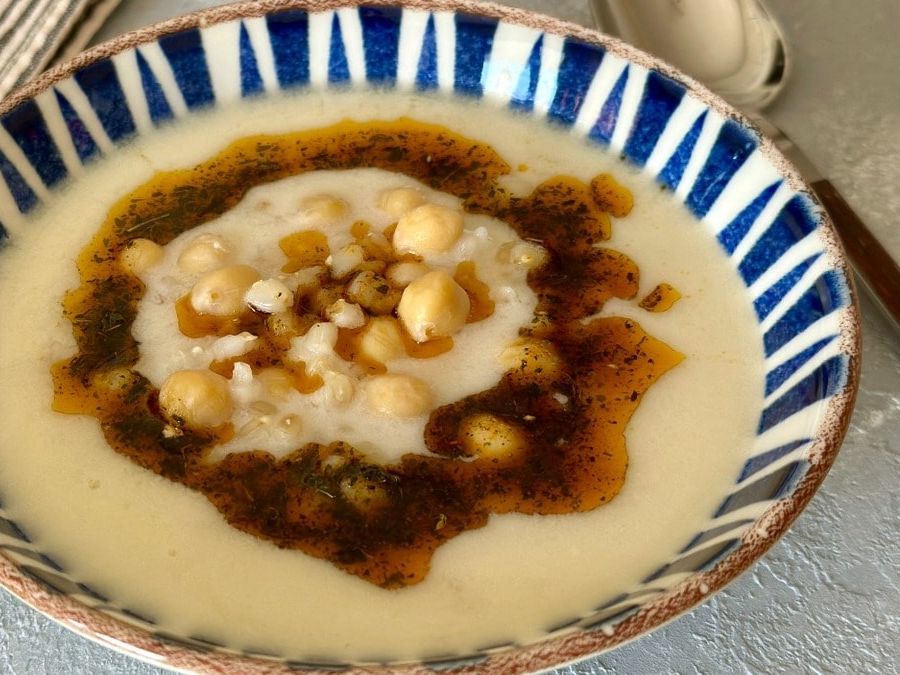
Dövme çorbası (pounded wheat soup)
A soup made with fresh wheat; it is drunk before the main course and served drizzled with chilli fried in butter.

Dövme pilavı (pounded wheat pilaf)
A pilaf made with pounded wheat; it is also known in Kahramanmaraş and Erzincan.
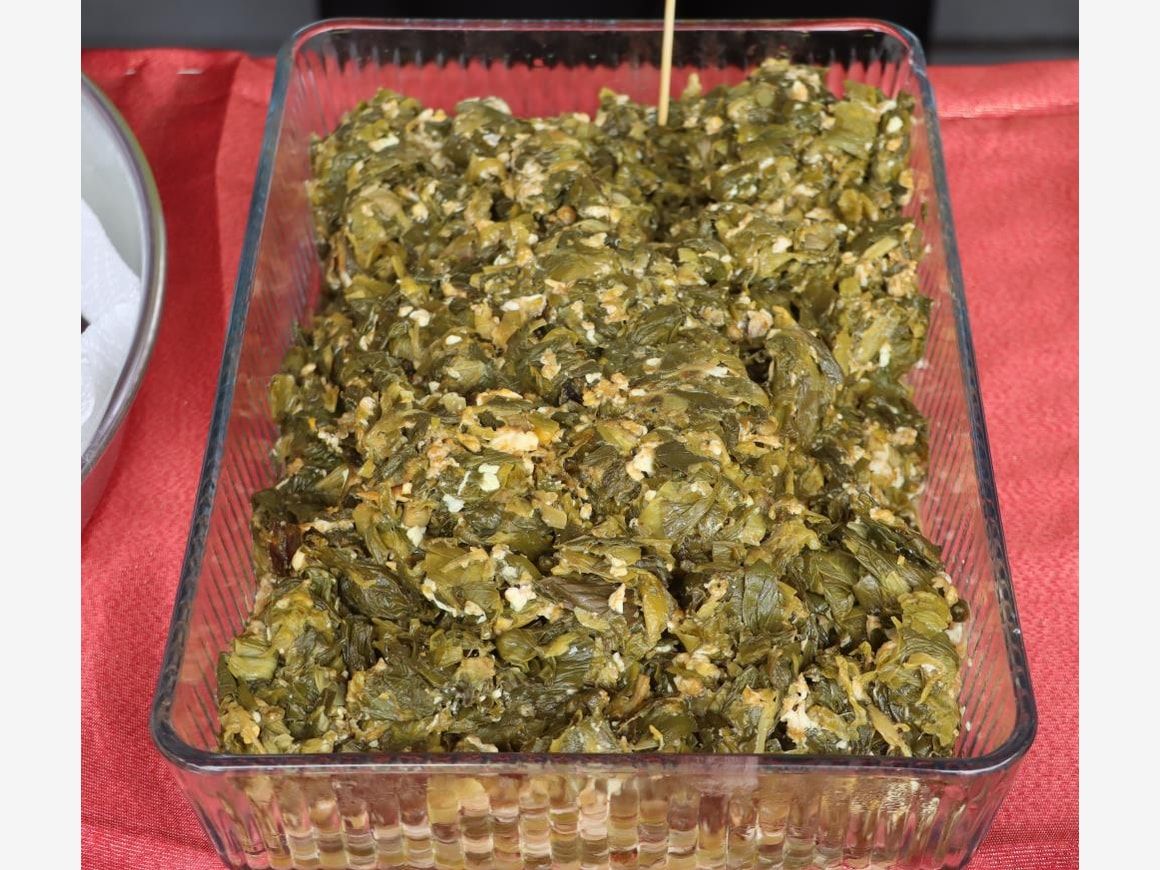
Gulik
A dish made with the gulik herb that grows in Ovacık; the herb is sautéed with vegetables.
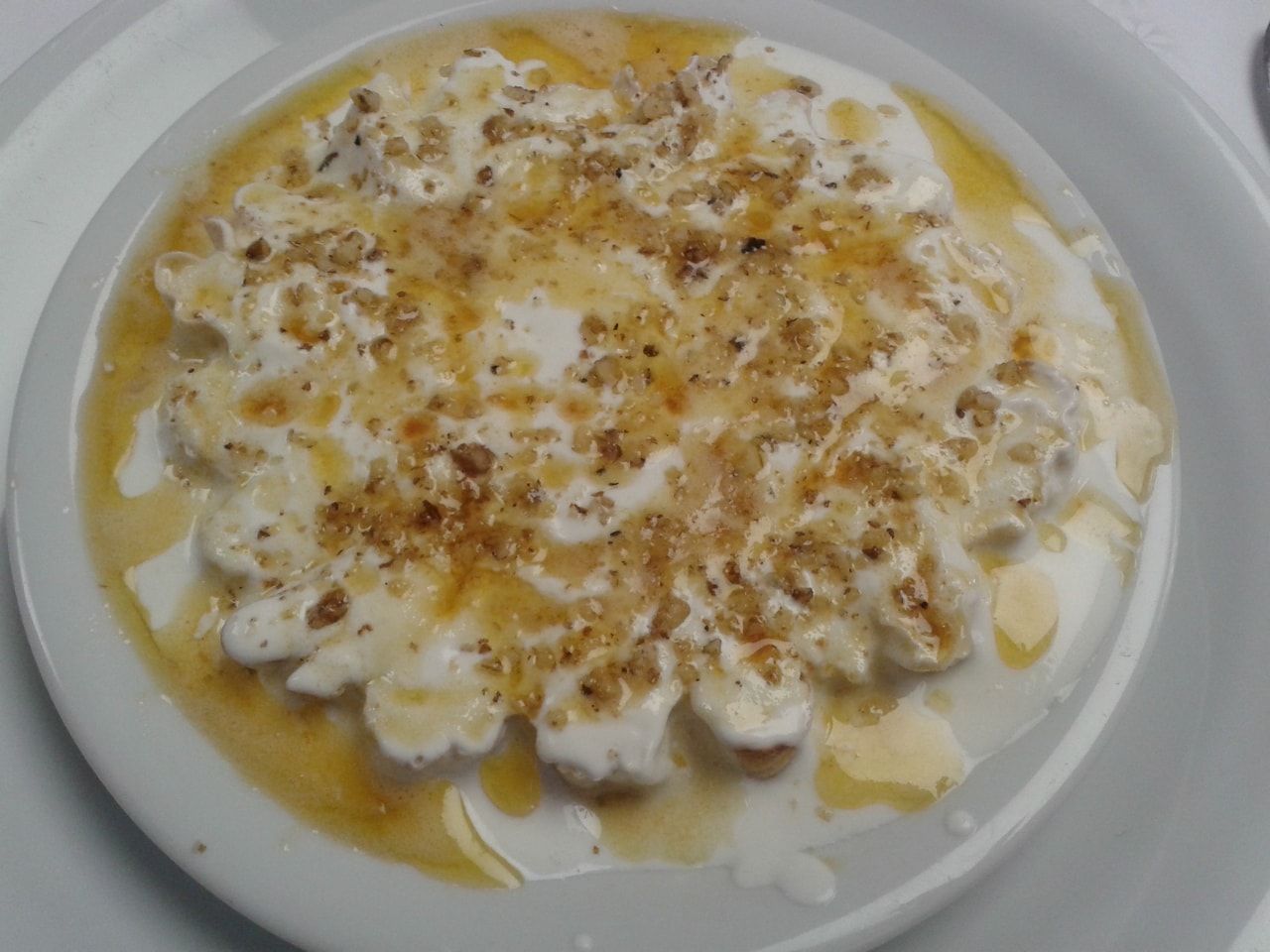
Şir
Cooked rolls of dough are topped with yoghurt and village butter and served hot.
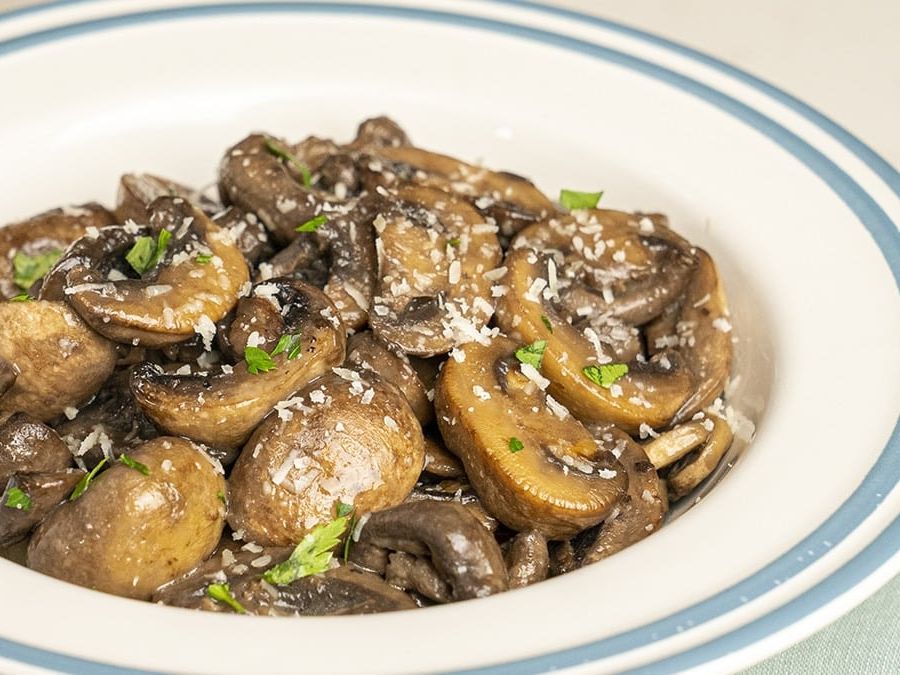
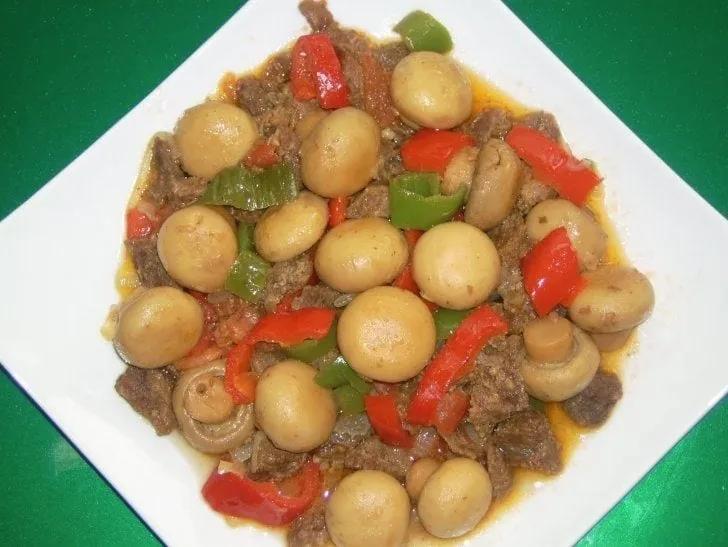
Mantar yemeği (mushroom dish)
The mushrooms often gathered in Tunceli are usually cooked in a sauce, and sometimes sautéed with meat.
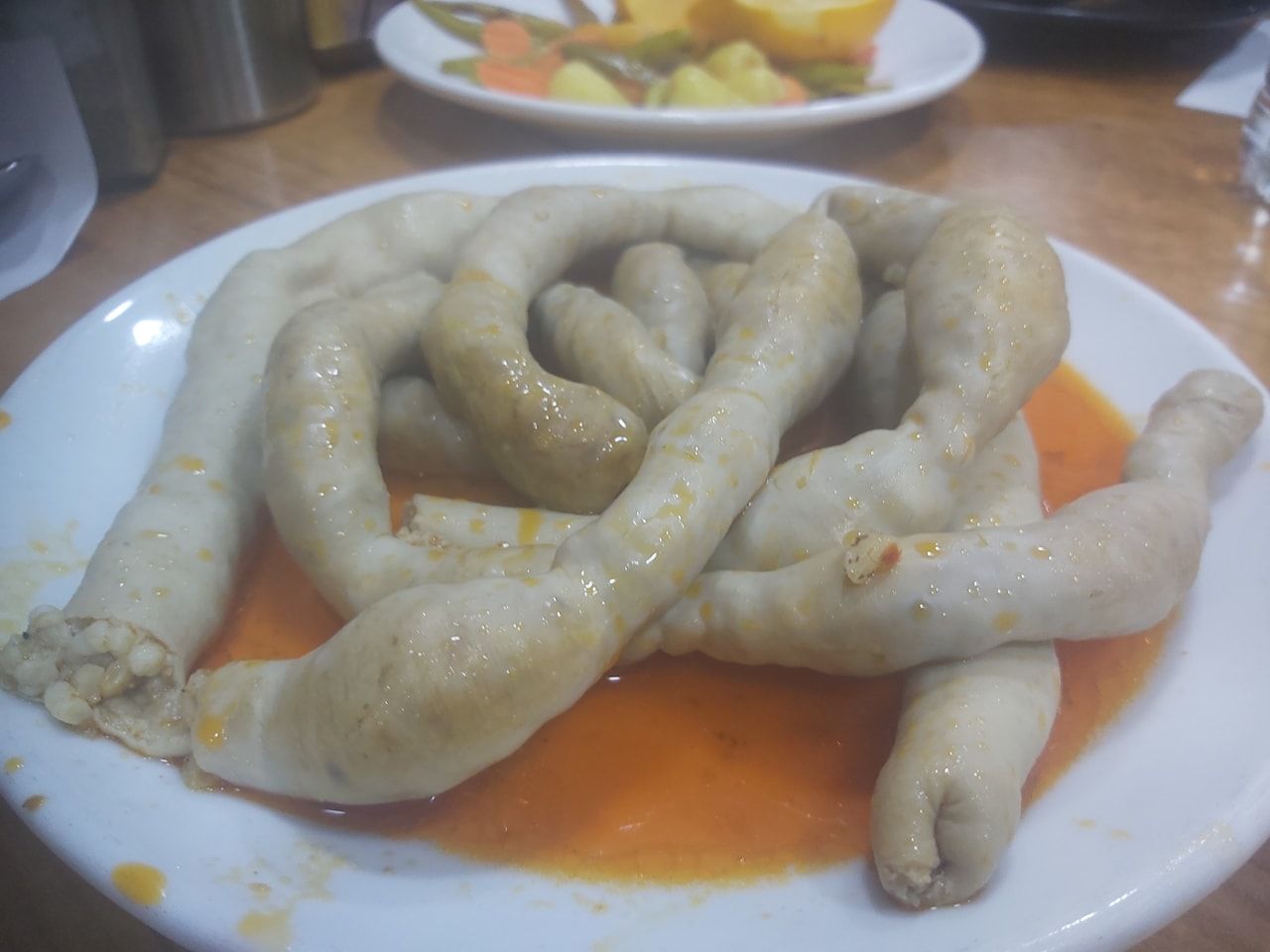
Mumbar dolması (stuffed intestines)
Also called bumbar locally; made by stuffing sheep's intestines, with or without meat.
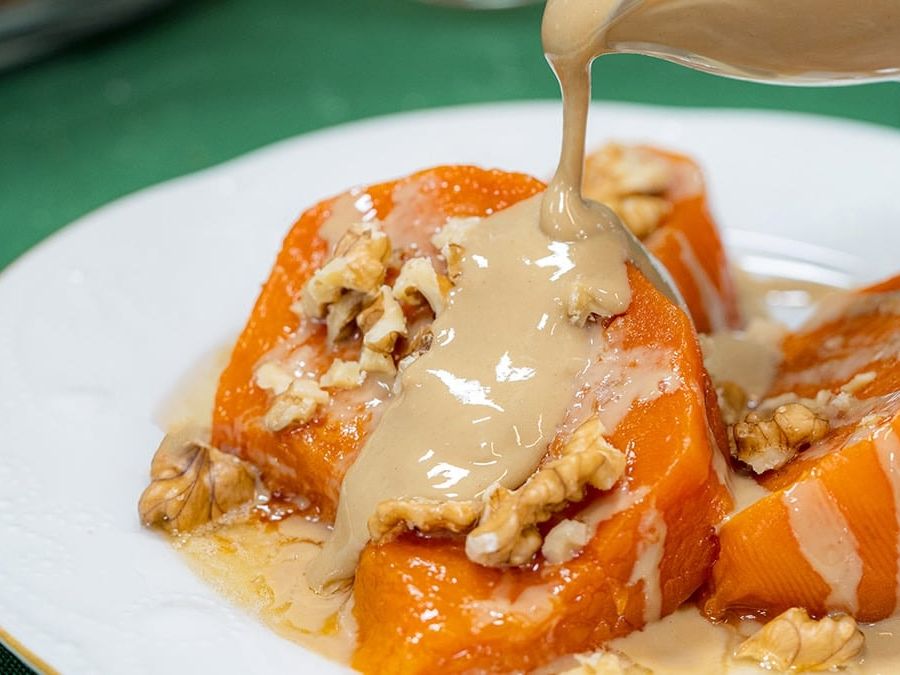
Kabak tatlısı (pumpkin dessert)
Peeled pumpkin is cooked with sugar; in Tunceli jam is also made from mulberries and quinces.


Places to visit in Tunceli
Finds from excavations carried out between 1968 and 1970 at Pulur (Sakyol) Höyük, now under the Keban Dam Lake south of Tunceli's Çemişgezek district, show that the area was settled in the Chalcolithic (5500–3500 BC). The excavations at the mound in Pulur uncovered fortress-like houses, hearths, stone mortars, various grinding tools, various animal pictures and metal objects such as bronze needles and picks.
Don't leave without touring the Munzur Valley National Park; without picking and eating the wild mountain garlic that grows by itself in its natural setting and is said to cure all ills; without eating kavurma at the Kutudere picnic area; without cooling off with a swim in the Pülümür stream in summer; and without seeing the 40 Gözeler (Forty Springs) in the Ovacık district, the source of the Munzur, and having a picnic there.
Don't leave without buying the famous Şavak tulum cheese, known across our country, and without documenting the wildlife of the Munzur Valley National Park and the Pülümür Valley in photos.
Don't leave without buying Pülümür honey, made by bees from hundreds of kinds of flowers in the Pülümür Valley, natural, uniquely flavoured and said to be a cure for every ill; without resting beneath the unique beauty of the Dereova Waterfall in Nazımiye; and without meeting the smiling, tolerant and hospitable people of Tunceli.
Places to visit in Tunceli – historic sites
Sivdin Bridge
Although its historic treasures, such as Çemişgezek Castle, the Ulukale Mosque, the Ferruh Şad Bey Tomb and the Yelmaniye Mosque, are tucked away out of sight, Tunceli is one of our cities that deserve to be discovered.
On this page we talk about Sivdin Bridge, which could be one of the sights of a city whose monuments, taking you back to unknown eras, await new visitors.
Little is known about Sivdin Bridge, in the Çemişgezek district. It spans the Karar stream and has a single arch. Its parapet walls are evidently of rubble stone, and it is estimated to have been built in the 12th or 13th century. It does not have many special features, but it can earn a place among visitors' stops.
Tahar Bridge

Tahar Bridge, also known as Yusuf Ziya Pasha Bridge, is one of Tunceli's historic treasures.
The bridge over the Tahar stream was built in 1807, and its patron was Yusuf Ziya Pasha. It is 55 metres long in total and up to 9 metres high. Tahar Bridge was repaired and renovated in 1856 by Akif Pasha, then governor of Diyarbakır.
Göktepe Höyük
Göktepe Höyük, in Mazgirt, Tunceli, is in the village of the same name.
No thorough research or study has been carried out at the mound, 500 metres south of the village of Göktepe, so not much is known about it. It is reached by a dirt road.
Til Höyük, Bağın Castle and Mazgirt Castle are among the other places to visit in the area.
Çemişgezek Castle
The castle in Tunceli's Çemişgezek district has come down to us in ruins.
Only a small part of its wall remains, and it is not known for certain when or by whom it was built. Standing on a hill beside the Tahar stream, it was evidently built of rubble and cut stone.
Mahsume Hatun Tomb

The Mahsume Hatun Tomb is one of the historic buildings of Tunceli's Pertek district. Because it has no inscription, there is no firm information on who built it or in what year.
It shares the architecture of the other tombs around it. Judging by those tombs, the Mahsume Hatun Tomb is thought to have been built in the 15th or 16th century.
The tomb, which has come down to us in ruins, is also called the Besime Hatun Tomb by local people.
Ulukale Mosque
The Ulukale Mosque, among Tunceli's places of worship, still keeps its historic value today. The mosque has kept its importance since 1793.
The Ulukale Mosque is in the village of Ulukale, after which it is named, in the Çemişgezek district. It is built of cut stone, and all its windows are in the west walls because the mosque stands on sloping ground. Its single window on the east side has been moved higher up. Its single-balcony minaret was added later.
The mosque's interior is very striking.
Til Höyük

Til Höyük, one of Tunceli's corners steeped in history, is in the village of Kuşçu in the Mazgirt district, about 1 kilometre from the village. It is easy to get to.
It was designated a first-degree archaeological site in 1996, but no archaeological excavation has been carried out to date. After Til Höyük, among Tunceli's historic spots, the places to visit in the city include Bağın Castle, the Uzun Hasan Tomb and the Ferruh Şad Bey Tomb.
Bağın Castle

The history of Bağın Castle, in Tunceli's Mazgirt district, goes back to before Christ.
There is information that the castle, very close to the village of Dedebağ, was built by the Urartian king Menua. The castle's inscription is now in the Harput Museum.
Bağın Castle was clearly built of rubble stone. You climb into the castle by a staircase.
Today Bağın Castle is one of the first stops for visitors to Tunceli. After this imposing castle you can visit the Uzun Hasan Tomb, Mazgirt Castle and the Ferruh Şad Bey Tomb.
Ferruh Şad Bey Tomb
The Ferruh Şad Bey Tomb, one of Tunceli's mystical places, is in the Çemişgezek district. According to its inscription it was built in 1550–1551, for Emir Ferruh Şad Bey.
The tomb is octagonal and built of cut stone. Its architecture is very much in the Seljuk tomb tradition. The Uzun Hasan Tomb and Mazgirt Castle are also among the places to see in Tunceli.
Uzun Hasan Tomb
Tunceli may feel far away to most people, but with its historic places it should definitely be on your list. If you are planning to go to Tunceli, we recommend visiting the Uzun Hasan Tomb.
The Uzun Hasan Tomb is in the Çemişgezek district, on a rock right at the entrance to the district centre. It is easy to reach by a gravel road. It has been said that the person buried here is the Ak Koyunlu ruler Uzun Hasan, but the person buried here is someone else. According to its inscription, the tomb belongs to two people, though there is only one sarcophagus. The tomb is octagonal and evidently built of cut stone.
You can add Mazgirt Castle, the Munzur Valley National Park and the Çelebi Ali Mosque to your Tunceli trip.
Yelmaniye Mosque
The Yelmaniye Mosque is one of Tunceli's historic buildings. There is no firm information on the architecture of this mosque in the Çemişgezek district, but according to its inscription it was built by Taceddin Yalman in the time of Timur.
Local people call the Yelmaniye Mosque the Old Mosque (Eski Camii). Repaired from time to time, the mosque has partly failed to keep its original form. Some remains south of the Yelmaniye Mosque suggest that at first it was part of a complex (külliye). The Yelmaniye Mosque is also important for its decoration. Don't forget to head for the Yelmaniye Mosque on your Tunceli trip. You can also visit the Baysungur Mosque, Mazgirt Castle, the Eltihatun Mosque and the Çelebi Ali Mosque, among the buildings that shed light on the city's history.
Çelebi Ali Mosque
If you are planning to go to Tunceli, one of the cities of Eastern Anatolia, soon, we recommend adding the Çelebi Ali Mosque to your list.
Architecturally similar to the Baysungur Mosque, the Çelebi Ali Mosque is in the Pertek district and was built by Çelebi Ali in 1570. Built of stone and rubble stone, it has a rectangular, almost square plan. The prayer hall is domed on the inside and covered on the outside with a drum and conical roof, and it is lit by pointed-arched windows. Although the Çelebi Ali Mosque has no striking decoration, it is worth seeing for its simple architecture. As you tour Tunceli's historic places, don't forget to visit the Eltihatun Mosque, the Baysungur Mosque and Mazgirt Castle.
Mazgirt Castle
The history of Mazgirt Castle, one of Tunceli's historic castles, goes back to the Urartian period.
The castle in the Mazgirt district was built in the 9th century BC. According to the Urartian inscription inside it, it was built in the time of the Urartian king Rusa II. The castle evidently made use of rock and rubble stone. Its entrance is a cave, reached by a staircase. When you go inside Mazgirt Castle you will see the remains of windmills from later periods.
You can add Mazgirt Castle, among Tunceli's historic buildings, to your stops. After visiting the castle, don't forget to head for the Eltihatun Mosque, the Munzur Valley National Park and the Baysungur Mosque.
Eltihatun Mosque
The Eltihatun Mosque, about whose history little is known, is in Tunceli's Mazgirt district.
Because the mosque's inscription has not survived, what is known about it does not go beyond guesswork. Judging by its structure, it was thought to belong to the Ak Koyunlu period. Because the inscription of the fountain north of the mosque's portico (son cemaat yeri) states that it was built in 1252, the mosque is known to have been built around the same time. The Eltihatun Mosque is built of cut stone. The prayer hall is rectangular in plan and divided into three aisles by columns.
A witness to Tunceli's past, the mosque is among the places to head for. After the Eltihatun Mosque, one of Tunceli's historic remains, you can set out to discover the Baysungur Mosque and the Munzur Valley National Park.
Baysungur Mosque
If you are making plans to discover Tunceli and preparing a list of places to visit, don't forget to include the Baysungur Mosque.
The Baysungur Mosque in the Pertek district is one of the buildings that have managed to stay standing since 1572. Architecturally it resembles the Çelebi Ali Mosque. Reflecting the city's history, the mosque is built of cut stone. Its portico has three sections and three domes, and the stonework of the prayer hall's entrance door in the portico is one of the details worth seeing. On your journey to discover Tunceli's little-known places, you should also add the Munzur Valley National Park.
Munzur Valley National Park

The Munzur Valley, one of the natural beauties of Eastern Anatolia, was declared a national park in 1971.
Covering an area of 42,000 hectares, the Munzur Valley National Park is very rich in streams and springs, endemic plants, animal species and vegetation. In the national park, which stretches between Tunceli and Ovacık, wild goats and, among game birds, the Caspian snowcock are more numerous than other species. There are also 1,518 plant species, 227 of them endemic. Some of the endemic plants are the bellflower, the Erzincan cherry, St John's wort (bindebirdelik otu), the Munzur kekliği, the Munzur buttercup and mountain tea.
If you find yourself in Tunceli, we highly recommend visiting the Munzur Valley National Park, especially in June and September. In the national park you can fish, do sport and have a picnic. And of course this magnificent nature lets you camp too. The Munzur Valley National Park will give you a fun time in oxygen-rich air.
Source: http://www.gezilebilecekyerler.com/tuncelide-gezilecek-yerler/
Culture and arts in Tunceli
The most widespread traditional crafts in Tunceli are the weaving of carpets, kilims, cicim and palaz, leatherwork and pottery. Today carpet and kilim weaving is common in the district centres, and pottery mostly in the villages.
Weaving
Because livestock is the province's main economic activity, weaving has come to the fore among its traditional crafts. Woollen carpets, kilims, bags, saddlebags and socks, and hand-woven goat-hair goods such as sacks, palaz, harar and örken, are made in the area. Manusa (arap dudağı), a striped cotton cloth mostly used for women's şalvar trousers, is no longer common. Cicim weaving, which has an important place among the area's own crafts, is still carried on in the village of Dervişcemal in Hozat.
Natural dyes from plant roots are still widely used in the area today. Compositions of geometric shapes are common in the decoration. Plant and animal motifs appear mostly in tribal weavings.
Carpet weaving is well developed in the Mazgirt, Çemişgezek, Pülümür and Ovacık districts. The fine Kemaliye-type carpets woven in Yeşilyazı, in the Ovacık district, are particularly famous. Common features of the local carpets are long-cut knot yarns and the use of root dyes and natural colours. Navy blue, red, brick red, green, pink, yellow and orange are widely used.
The kilims woven in small sizes on the nomadic looms called ‘mazman’ in the area also have small motifs. The motifs are arranged in vertical or horizontal bands of the same colour along the warp. Cloth weaving is more common among the tribes; it is woven from wool in a two-thread technique. White and black cloth is called ‘barason’ in the area.
Pottery
The pottery once widespread in the village of Karahisar in the Çemişgezek district is now beginning to disappear. Women make vessels from red clay, above all güveç casseroles, cauldron lids, ewers, ayran basins, butter churns and pekmez jars.
Although few examples are seen in Tunceli today, prayer mats are made from sheepskin; from goatskin, the tuluk (used to churn butter from milk) and the dağarcık (shepherd's pouch); and from ox and cow hide, çarık sandals, as well as packsaddle straps, saddles, stirrups and reins for horses.
Woodcarving and woodwork
In the provincial centre, two saz (bağlama) making and repair workshops survive, each with one master, working to order.
In the town of Akpazar, in the Mazgirt district, a craftsman works in his spare time on animal figures for tourists. He cuts and carves tree roots and branches into every kind of animal figure imaginable.
In the same town, the very old trades of packsaddle making and farriery still take a few orders, but because they depend on livestock they face extinction.
Source: https://www.forumlordx.net/misafir-soru-ve-cevaplari/67718-tunceli-nin-kulturel-ozellikleri.html
History of Tunceli
Ancient Greek historians and geographers are said to have called this area Daranis and Derksene.
In 1935 the name Dersim was changed to Tunceli and the region became a province. Because of its special status, the province was administered from Elazığ for a time.
Under Law No. 4993 of 30 December 1946, the town of Kalan (Mamekiye) was designated as the provincial centre; the city grew up on its present site after this decision.
Getting to Tunceli
By road
Tunceli is on the state highway linking it to Elazığ in the south and to Erzincan and Erzurum in the north.
By air
The nearest airport to Tunceli is Elazığ Airport, which serves domestic flights and is about 120 km from the city centre.
Districts of Tunceli
- Çemişgezek
- Hozat
- Mazgirt
- Merkez (central district)
- Nazımiye
- Ovacık
- Pertek
- Pülümür
Economy of Tunceli
Tunceli's economy depends largely on farming and livestock. Because the land is very rugged, cultivated areas are limited; livestock is therefore one of the most important sources of income, with sheep and Angora goats to the fore.
Honey is one of the province's prized products. An average of 450 tonnes of organic honey a year is said to be produced, especially in Pülümür and Ovacık. Munzur honey has also received a geographical indication. A honey festival is held in Pülümür every August.
There are no large-scale industrial plants in the province.


Comments
Loading comments…