
Uşak
- Aegean Region
About Uşak
Uşak, at the point where the Aegean meets inner Anatolia, has been a favoured place of settlement since ancient times, and traces going back to around 4000 BC have been found. Known in antiquity as Temenothytia, the city was chosen as a place to settle by many civilisations through history. Named after Temenos, son of Aristomachus of the Heraclids, the city is known to have had a great many settlements, especially in the Bronze Age. The province, on the western border of the Hittites, who achieved political unity in Anatolia in 2000 BC, and of the Phrygians in 1000 BC, came under the influence of Ionian culture in particular amid this multicultural setting.
By the 7th century BC it had passed within the borders of the Lydians, famous for inventing coinage and for their impact on trade. In this period, too, the "Royal Road", which linked the Aegean region to the east and was one of the most important trade routes in history, passed through Uşak's lands. After Lydian rule ended, the city came under the Persians, and later, like all of Anatolia, under the rule of Alexander the Great.
After Alexander's death this region was given to Antigonus, one of Alexander's leading generals, as his share for service. After a while Uşak and its surroundings were attached to the Kingdom of Pergamon, passed to the Roman Empire in the 2nd century BC and remained within that empire for a long time. When the Roman Empire split in two, the province fell within the borders of Eastern Rome and lived under Byzantine rule until the 12th century.
The settlement changed hands from time to time between Byzantium and the Seljuks, who grew stronger in Anatolia after 1071, and finally, with the Battle of Myriokephalon in 1176, it was attached to the Seljuks until the Beylik period. In the Beylik period the Germiyanoğulları beylik ruled Uşak and its surroundings, until Yıldırım Bayezid ended the beylik's rule in 1391. After this the region came under Ottoman protection, then with the Interregnum passed again to the Germiyanoğulları, one of the beyliks that revived at that time. Finally it was attached to the Ottoman Empire at the wish of Yakup Bey II, the last ruler of the Germiyanoğulları beylik. The Aybey neighbourhood, in the north-west of the city and still standing today, is the oldest settlement, and the growth of the settlement expanded the city to the south of this neighbourhood.
Uşak drew the attention of many travellers in the Ottoman period. Katip Çelebi, one of the 17th century's scholars, mentions Uşak in his geographical work Cihannüma. The work describes Uşak as a town with a castle in a stream valley (today the Dokuzsele stream). Evliya Çelebi, another important 17th-century figure, who spent more than fifty years of his life travelling Ottoman lands, also records his observations of Uşak in his Seyahatname. Evliya Çelebi tells how the townspeople rebuilt the city walls against bandits involved in the Celali revolts and how trade was highly developed in the area. As a sign of the importance given to trade and traders, he also mentions two baths, more than three hundred shops and a han built for the guilds in the city.
There are various tales about where the city's name comes from. The word uşak means "son, grandson" in Chagatai Turkish. Some of the people of Uşak tell a tale that supports this meaning. According to this tale, there was a bey and his sons in the village of Mende, south of the city. At that time the area where Uşak now stands was empty land used as this bey's dairy farm. The bey settled his sons at this farm. Because whenever he went to see his sons he said "I'm going to Uşşak", the area began to be called Uşak.
In Arabic the word uşşak means "lovers". According to some of the people, this is the city's true meaning, and if you ask why, they will tell you this legend. According to this legend, on the Uşak land used as the Mende bey's farm, there was a governing group of seven people. Each of these seven, who looked after the bey's affairs, was a lover in his own way. One was in love with his art, one with his work, and one had a lofty spirit and was in love with greatness of soul. The bey was added to these seven lovers as the eighth, because he too was in love with the lovingness of his seven officials. Because of this feeling he wanted his only daughter to marry one of these lovers. When he told his daughter, he found that she was in love with the youngest of the seven. So the lovers, now nine in number, decided to live in this area, and in the end it came to be called Uşşak, that is, the lovers.
Since we have no definite information, we cannot know why the city got this name. Evliya Çelebi's Seyahatname, an important source for the settlements of Anatolia, does not give definite information either. Evliya Çelebi says of Uşak that the city has many lovers because of its peaceful atmosphere and its nature that touches the heart. From this we can say that Evliya Çelebi accepted the Arabic meaning too, but there is no definite information on the matter.
There is also a legend about Uşak's tradition of âşıks (minstrels). Many âşıks and masters of the word lived in Uşak. One of these masters is Evren Dede. Evren Dede, who lived in Banaz, played the saz and sang folk songs in the groves. His tunes were so beautiful that those who heard them ran towards the sound as if bewitched and could not leave until Evren Dede fell silent. But one day no sound came from the grove where Evren Dede played every day, and no one ever saw him again. According to the local people, Evren Dede's tunes still echo in that grove, and every wind carries them.
In the fire of 1894, a great disaster for the city remembered in history as the "Great Fire", almost every settlement in the city except the Aybey neighbourhood burned down. Four years after this disaster, in 1898, the railway linking the city to İzmir was built. Occupied by Greek forces in the last years of the Ottoman Empire, Uşak was retaken in 1922. Uşak, which was a province of Kütahya until 1953, became a province after that date, separating from Kütahya.
One of the first things that come to mind with Uşak is weaving. It has made its name with its carpets, prayer rugs and blankets. The Eşme kilims, woven with root dyes, are the finest examples of handwork. Made up of 5 districts, Banaz, Eşme, Karahallı, Sivaslı and Ulubey, this small city is developing with its industry and offers a warm atmosphere to those who want to visit it for its natural and historic beauty.
Uşak's famous dishes and desserts
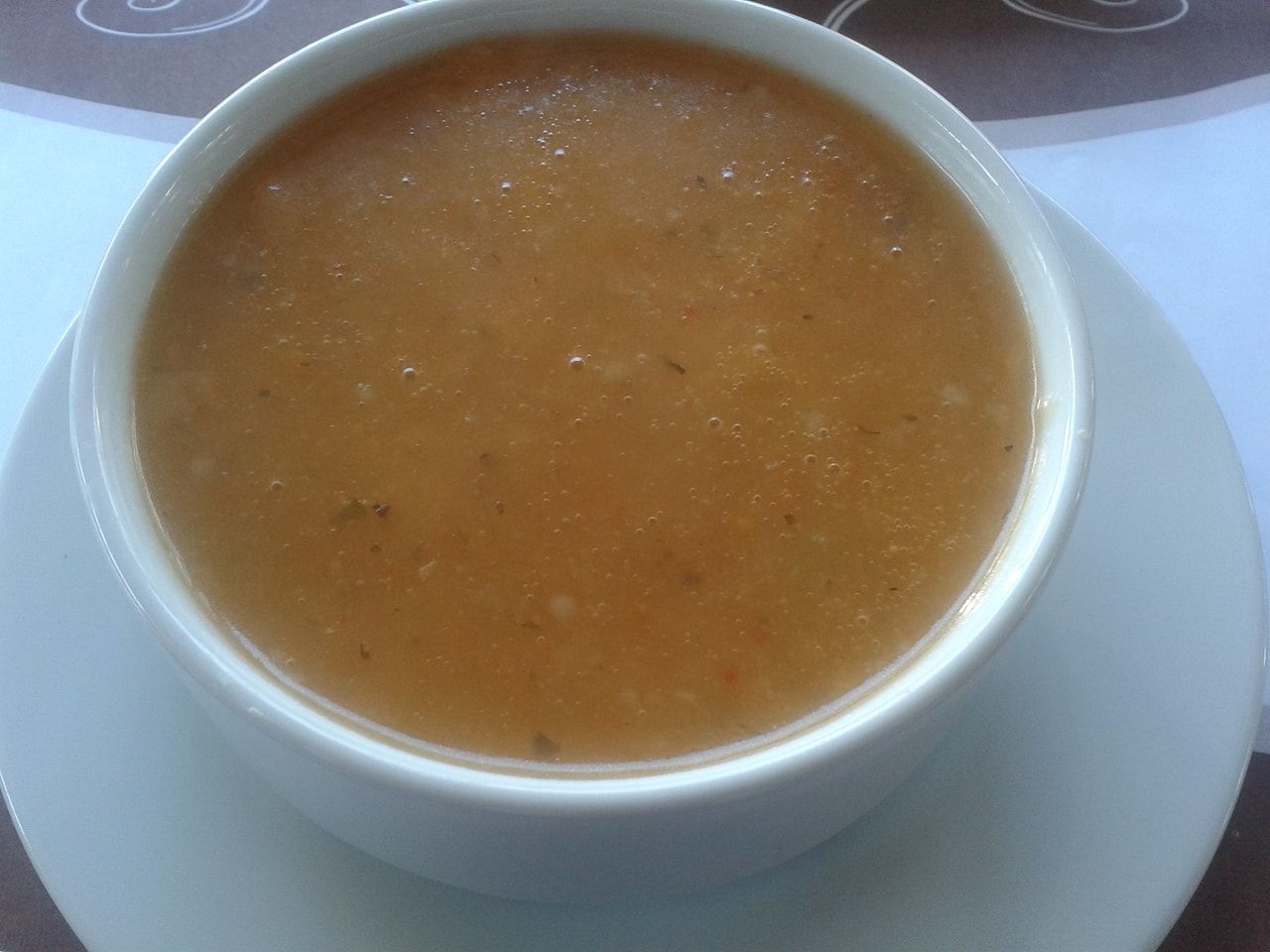
Tarhana çorbası (tarhana soup)
In Uşak's cool climate the dough ferments longer and at a lower temperature; this slow fermentation gives the tarhana its flavour. Uşak tarhana is registered with a geographical indication.
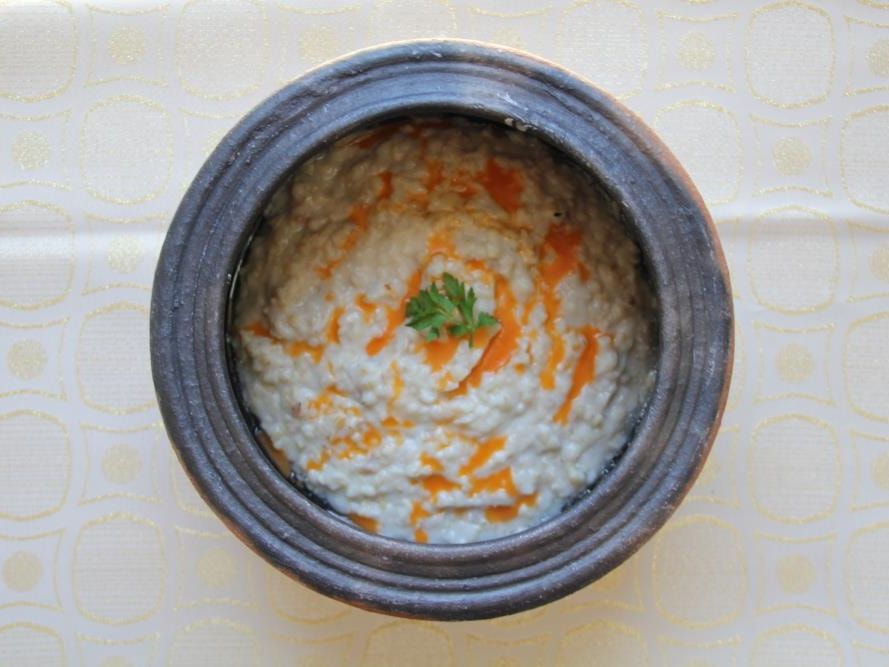
Keşkek
In Uşak this dish is served to guests on special occasions such as weddings.
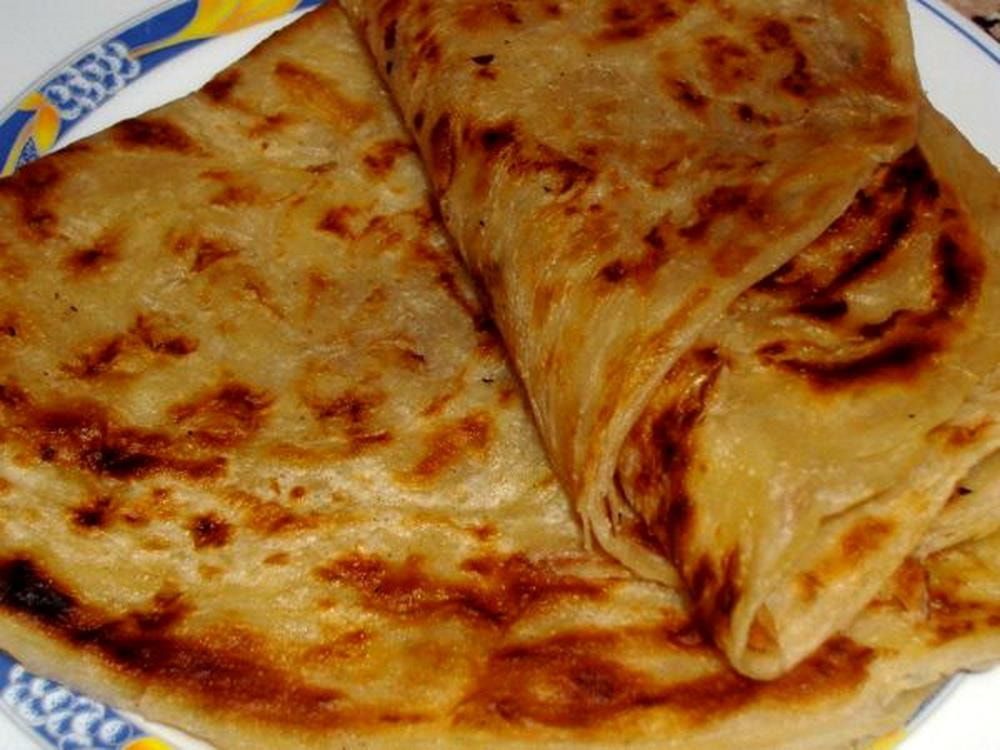
Katmer
A pastry made from carefully rolled layers of dough.
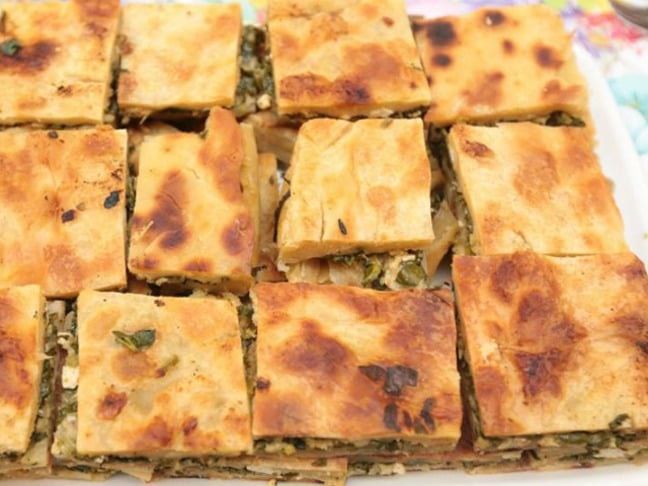
Döndürme böreği
This börek, considered a speciality of Ulubey, is a must at breakfast and teatime. The filling is usually spinach or courgette.
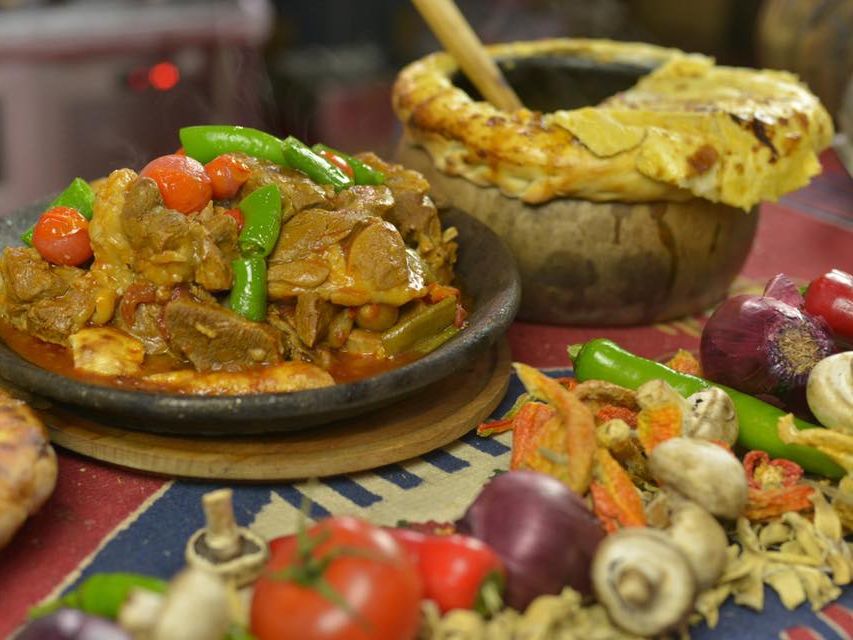
Çömlek eti or çömlek kebabı (pot-cooked meat)
Billy-goat or mutton is cooked in an earthenware pot.
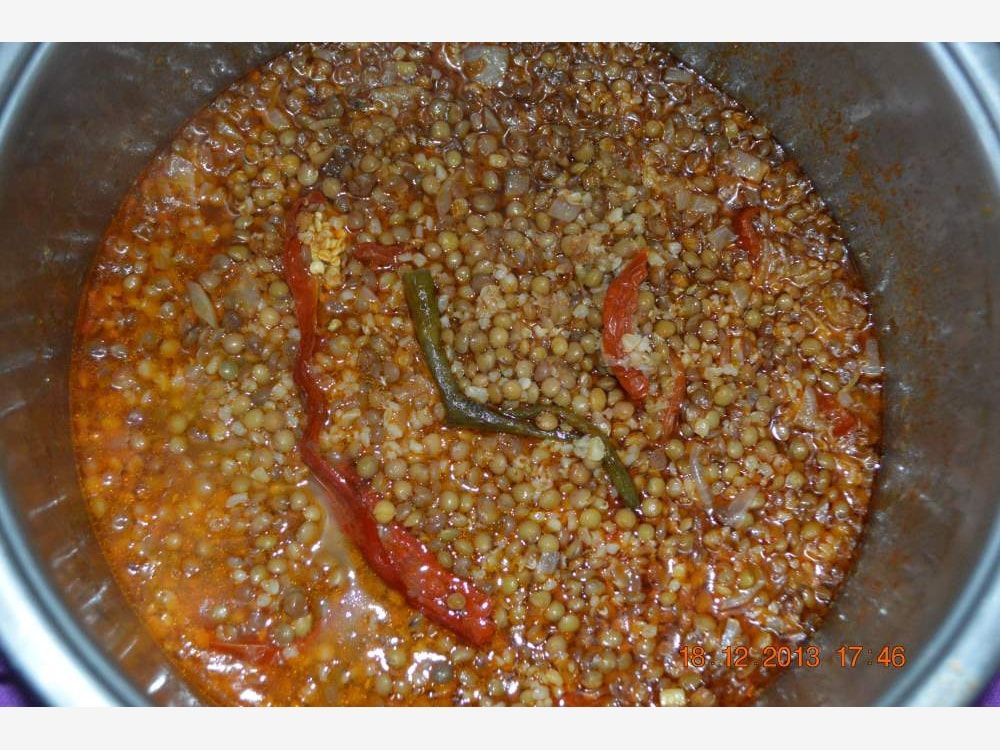
Alacatene
A dish based on green lentils; it is often eaten at dinner in Uşak.
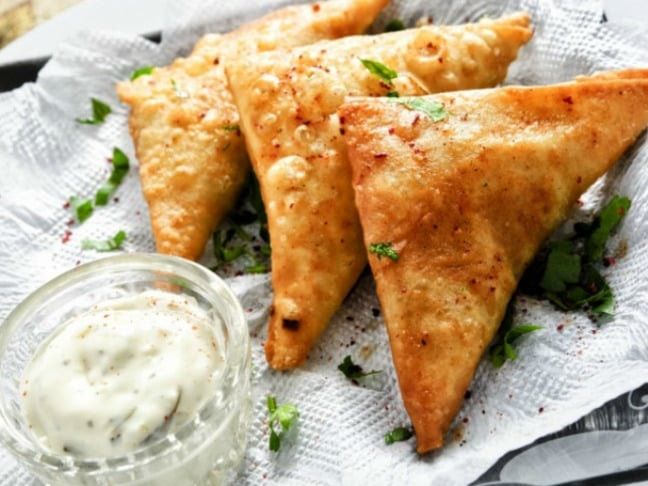
Uşak-style muska böreği
A spinach filling is wrapped in triangular, amulet-shaped yufka.
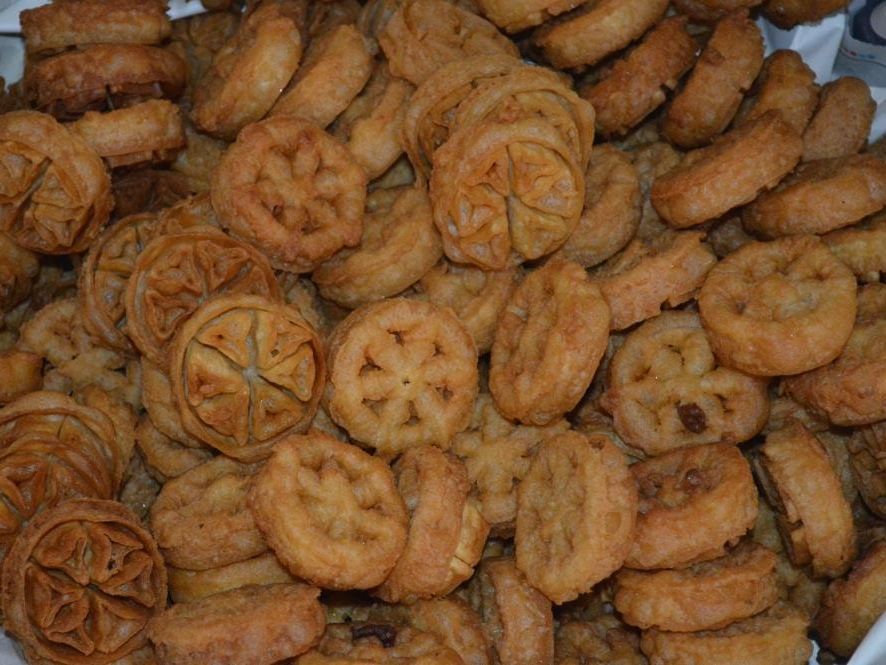
Demir tatlısı
It takes its name from the iron mould used to shape the dough; the dough is fried and soaked in syrup. In Ulubey it is also called the engagement dessert, because it is sent from the bride's family after an engagement.
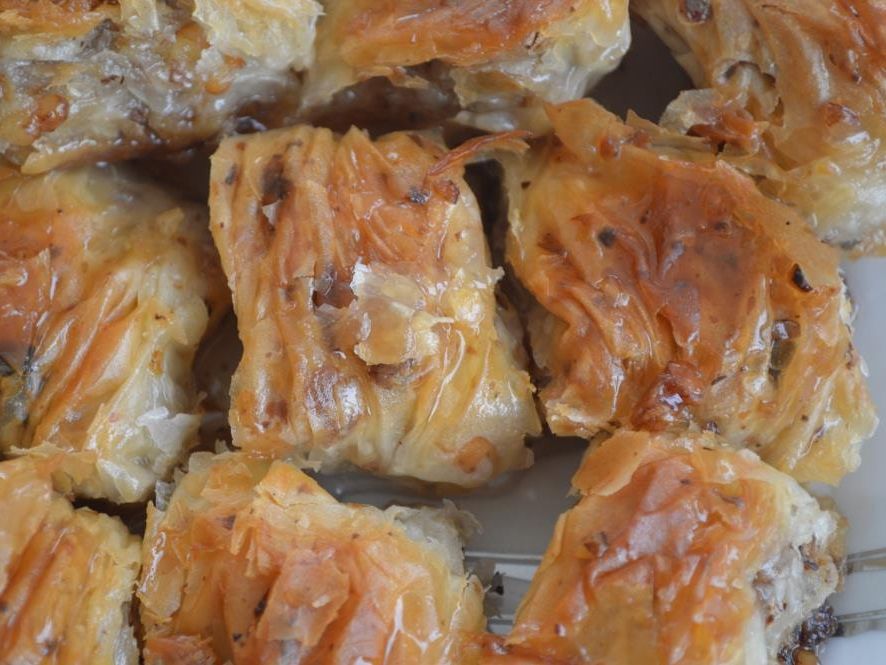
Cendere tatlısı
Dough filled with plenty of walnuts is rolled up, gathered at both ends to give it folds, and soaked in syrup.


Places to visit in Uşak
With its deep-rooted culture, natural beauty and warm-hearted people, Uşak is home to many sights worth seeing…
Uşak, one of the cities of the Aegean region, has thousands of years of history as well as much natural beauty, and is one of the country's cities worth seeing. If you are planning a trip to Uşak, take a look at the list we have prepared for you…
Museums: During your Uşak trip, be sure to include the museums among the sights in the city centre. We recommend visiting the Uşak Archaeology Museum, where archaeological finds thousands of years old are displayed, and the Uşak Atatürk and Ethnography Museum, where you can get to know Uşak's deep-rooted traditions better.
Archaeological sites: Like many cities in the Aegean region, Uşak has a very long history. In Uşak, which has hosted different civilisations through history, you can visit the ancient cities of Blaundus and Akmonia in Banaz and take an enjoyable journey through Uşak's history.
Natural beauty: Uşak is worth seeing not only for its history but also for its natural beauty. Be sure to add Evrenli Nature Park, Ilıcak Subaşı Park, Ulubey Canyon, Göğem Pond, Takmak Pond and Karaağaç Pond to your list of places to visit in Uşak.
Hot springs: Uşak's hot springs, where you can have a trip that is both healthy and enjoyable, are also among the places we recommend. Aksaz, Örencik and Hamamboğazı hot springs in particular are the best known in Uşak.
Historic Uşak houses: The historic houses of Uşak, one of the city's symbols and protected by the Ministry of Culture, are a cultural heritage you must see on your city tour. You can see the historic Uşak houses, 86 of which have survived, in the Aybek, Karaağaç, Kurtuluş and Işık neighbourhoods.
Uşak Bedesten: The Uşak Bedesten, in the city centre and now also known as the Booksellers' Market, is one of the historic buildings you can see in the city. You can wander and shop in the Uşak Bedesten, thought to be about 100 years old.
Places to visit in Uşak: historic sites
Uşak Atatürk and Ethnography Museum

The Kaftancızade Mansion, one of Uşak's historic buildings, now serves as the Ethnography Museum. The mansion, where you can see both the city's historic architecture and its cultural life, is in the Bozkurt neighbourhood of the central district.
This building is also called the Atatürk House. This is because it was used as a headquarters during the War of Independence and Atatürk stayed here for a while. Atatürk also met the Greek army commander-in-chief Trikoupis in this building. Although Trikoupis had been taken prisoner, he was Atatürk's guest in this mansion.
The Kaftancızade Mansion was expropriated and restored in 1973. In 1978 it began serving as a museum.
The museum displays local costumes, kilims, old weapons and carpets. The upper floor is arranged as the Atatürk Museum, with Atatürk's bedroom and personal belongings.
Cimcim Fountain
The Cimcim Fountain in the centre of Uşak is dated to 1896.
Who built the fountain is unknown. It was built of cut stone and is architecturally very showy. On both faces of the Cimcim Fountain there are depressed round arches with mouldings, and the spandrels are decorated with relief crescent-and-star motifs. The delicacy of its curves in particular makes it one of the most outstanding examples of stone carving.
The inscription of the Cimcim Fountain reads:
"Toplanıp ehli mürüvvet yaptılar bu çeşmeyi
Oldu çari ab feyz harü şevrullah ile
Görmek istersen eğer dünyada ab-ı kevseri
Çeşme-i Cimcimden iç bi kâse aşkullah ile"
Year 1316 (1896).
(The generous gathered and built this fountain; by God's grace its abundant water flowed. If you would see the water of Kawthar in this world, drink a bowl from the Cimcim fountain with the love of God.)
The fountain is near Halit Ziya Primary School in the city centre.
Blaundus ancient city

Blaundus, one of Uşak's very old settlements, is in the village of Sülümenli in Ulubey…
Blaundus, in an area surrounded by a deep valley, is dated to the Hellenistic period. About 41 kilometres from the city centre, it became an important settlement especially in the Roman period.
As you tour Blaundus you can come across a castle, a theatre, temples, a stadium and rock tombs, all of which, defying the centuries, are enough to carry you back to another age.
Historic houses of Uşak

Only a handful of Uşak's historic houses, dated to the early years of the Republic, have survived.
Although you can't see these houses with their Ottoman architectural features on every corner, you can find them in the Aybek, Karaağaç, Kurtuluş and Işık neighbourhoods.
Historic Uşak houses usually have two storeys. The ground floors are of stone and the upper floors of timber. The historic houses, of which only 86 remain in the city, are protected by the Ministry of Culture.
To see the historic houses in Uşak, you can wander the Kurtuluş, Karaağaç and Işık neighbourhoods.
Uşak Bedesten
The building in the city centre, Uşak's most solid bedesten and now used as the Booksellers' Market, is known as the Uşak Bedesten.
Although it is not known when or by whom the Uşak Bedesten in Mendepazarı was built, according to some sources its architect was an Italian and the building was built in 1901… The bedesten is rectangular in plan with an entrance at each end. It has a long corridor lined with rooms on both sides.
The Uşak Bedesten underwent a major restoration in 1980, being both repaired and renewed, and now serves as the Booksellers' Market.
Evrenli Nature Park
Evrenli Nature Park in Sivaslı, Uşak, is one of the local people's favourite picnic spots.
The park is 1 kilometre from the district centre and has an asphalt access road. Evrenli Nature Park, which gets busy especially in spring and summer, is a green area. Part of the greenery is natural and part is pine planted later.
Ilıcak Subaşı Park
Ilıcak Subaşı Waterfall is one of Uşak's spots for relaxing, having fun and taking pleasant walks. You can also picnic in the park, on the İzmir road out of Uşak.
The park, with a total area of 10,000 square metres, has a football pitch, tennis courts, sports facilities, a swimming pool and children's playgrounds. Ilıcak Subaşı Park, which the townspeople visit often and where families and groups of friends have fun, is a place that never gives you a dull moment all day… Thanks to this, it has also become one of the places tourists visiting the city always stop at.
Aksaz hot spring
Aksaz hot spring, just one of Uşak's thermal riches, is in Ulubey district, where Örencik hot spring also is.
The spring, in the village of Aksaz 25 kilometres from the district centre, is 650 metres above sea level. Its water rises from the foot of a granite rock beside the Aksaz stream. Its temperature is 39 degrees and the water contains sulphate and carbonate. It is known to heal aches, paralysis, pains and skin complaints…
If you are thinking of staying a few days in a thermal area in Uşak, Aksaz and Örencik hot springs could be among your choices.
Örencik hot spring
In Uşak, which has some of the country's thermal riches, Örencik hot spring is of great importance.
Örencik hot spring, which hosts many tourists during the year, is about 10 kilometres from the village of Göre on the Uşak–İzmir road. The thermal water here is 38 degrees, and there are separate baths for women and men.
Örencik hot spring is known to be good for liver, stomach and skin diseases.
İnay Caravanserai
İnay Caravanserai, one of Uşak's historic ruins, is in a dilapidated state today.
Because it has never been repaired or restored, only part of the caravanserai is still standing. İnay Caravanserai is in the village of İnay in Ulubey. Rubble and cut stone were used in its construction.
This historic ruin is thought to have been built in the 13th or 14th century…
Although it has been badly neglected, you can include İnay Caravanserai in your Uşak trip.
Burma Mosque
Although there is no definite information on when Burma Mosque, in the Küme neighbourhood of central Uşak, was built, its name appears as the Hacı Mustafa Mosque in Evliya Çelebi's Seyahatname, and its construction is accepted as AD 1572–1573.
Burma Mosque, east of the Ulu Mosque, was built of rubble stone, brick and concrete, and its minaret in particular is striking. The minaret has spiral (burma) fluting and a single balcony. Burma Mosque was repaired in 1771–1772 and again after a fire in 1922. It also underwent extensive repairs in 1988 and 2008.
Burma Mosque, which has two domes, is open for worship.
Uşak Archaeology Museum
The Archaeology Museum, in the Kurtuluş neighbourhood of central Uşak, has a rich collection.
The idea of a museum in Uşak first arose in 1966, and the Archaeology Museum opened in 1970. The Uşak Archaeology Museum, which holds a great many finds, is actually rather a small building. So much so that many priceless archaeological pieces are displayed even in the museum garden.
In the Uşak Archaeology Museum, where you can see grave stelae, votive stelae and many statues, there are also beak-spouted jugs and stone axes from the Bronze Age. There are also small Roman-period pieces such as earthenware vessels and glassware.
The Uşak Archaeology Museum is one of the first places to visit in the city. You can visit the museum every day except Monday from 08:30 to 16:30.
Hamamboğazı hot springs
Hamamboğazı hot springs, Uşak's thermal tourism area, lie 7 kilometres north-east of Banaz.
The springs are surrounded by lush pine forest, and when you come here you should definitely go walking in nature.
At Hamamboğazı there are three separate waters, known as Gazoz, Sarı Kız and Kara Kız. Sarı Kız is sulphurous and lukewarm, while Kara Kız is of medium temperature. Gazoz contains sulphur, iron and other healing minerals. The spring waters are generally good for chronic rheumatism and stomach, intestinal and liver diseases. Uşak's Hamamboğazı hot springs, known as a thermal tourism area since 2004, will renew both your spirit and your body with their healing waters.
Source: http://www.gezilebilecekyerler.com/usakta-gezilecek-yerler/
Culture and arts in Uşak
Handicrafts
Uşak carpets: With the carpets made in and around Uşak in the 16th century, the second and last golden age of Turkish carpet art began. Uşak carpets come in two types, medallion and star. The medallion carpet, one of the most important Uşak carpets, reaches 10 metres in length. These carpets, few of which survive, continued until the mid-18th century. When the medallions took the form of stars, the star Uşak carpets appeared. Many carpets of this type are kept in European museums. By the end of the 16th century the fame of Uşak carpets had spread across Europe. Noble families began ordering Uşak carpets woven with their own coats of arms.
Kilim weaving: The best-known handicraft of our area is the Eşme kilim. But as in other regions, Eşme kilims have changed a great deal. Comparing the old kilims the people of Eşme made for their own needs, examples of which are found in mosques and masjids today, with the kilims they now use at home and weave commercially to traders' orders, you see considerable changes in the quality of dyes and yarn. Eşme kilims are generally grouped as "Altınbaş, Toplu-hürriyet, Albaş and Selvili Namazlağ". A kind of kilim they call "Gıcıklı" has also been made. Every year at the end of May the International Eşme Kilim Culture and Arts Festival is held.
Cotton yarn: There are 16 businesses in cotton yarn (short fibre), led by Kaynak and Erteks. Cotton and similar businesses work mainly with open-end technology, and the installed OE spindle count is approaching 10,000. Annual production capacity is around 18,000. Cotton yarn is generally produced in counts of 10/1 to 30/1.
Textile finishing: Four firms work in cotton textile finishing (bleaching, dyeing, printing and finishing). Annual processing capacity is around 50,000 metres.
Wool and acrylic yarn production: Wool yarn, the raw material of the carpets made in Uşak since very early times, was at first made with simple hand tools such as the spindle, spinning wheel and eleme, and by human labour. Over time, under the influence of industrialisation in Europe, the Yılancızade Company and the Hacıgedik and Bacaloğlu wool yarn and textile factories were set up in 1890–1895, and these factories long met the carpet-yarn needs of Uşak and its surroundings.
After 1950, with the liquidation of the Yılancıoğlu factory, its machines were installed in new workplaces by other business owners, machines were brought from Istanbul and abroad, and with the added initiatives of workers who had worked abroad, this branch of industry grew rapidly. Wool yarn is mainly of the woollen (streichgarn) type, with a small amount of worsted (kammgarn) production. Uşak is highly developed in woollen yarn spinning. With 275 carding machines in operation, it has Europe's largest park of woollen carding machines. Today Uşak has about 80 yarn factories making wool yarn, with an annual production capacity of 40,000 tonnes. The annual capacity utilisation rate is 50%. Semi-worsted yarn is produced in 7 businesses and used as acrylic, knitting and carpet yarn. Annual production is 2,500 tonnes.
Fibre and yarn dyeing: Fibre and yarn dyeing is done in 41 businesses in Uşak. Wool and acrylic dyeing are the main processes. 16 of these businesses are dyeing plants only and the others are integrated plants. Dyeing is mostly done in fibre form, and 15,000 tonnes are dyed a year.
Fibre opening: Fibre opening is generally a way of recovering combed waste. Combed waste (clothing and fabric scraps), once exported to Italy, has begun to be recovered in Uşak thanks to investments in recent years.
This method both brings ecological benefits by reusing the fibres and adds value by processing them at home. Uşak has 100 garnet machines used for fibre opening. With these machines 15,000 units of fibre a year are opened and returned to the economy. The opened fibres are used in woollen and OE yarn businesses.
Other textile products: In recent years major investments have been made in the province, especially in sock production. Home textiles (duvet covers, sheets), clothing, knitwear and circular and warp-knitted fabric production can also be mentioned.
FOLK MEDICINE:
1. To calm the nerves – melon
2. For anaemia – grapes
3. To bring down a fever – plums
4. For colds and coughs – baked apple
5. For diarrhoea – medlar
6. To stop pain – thyme
7. For stomach ache – mint
8. For malaria – barberry water
9. For sleeplessness – poppy husk
10. For toothache – clove water
FOLK VETERINARY MEDICINE:
Diseases of livestock, one of the people's main livelihoods, are treated with various methods the people use.
Diarrhoea: Locally this is called "ötürük". When an animal has diarrhoea, dried wild plums are boiled and given to it to drink. Dried oak galls are ground to a powder. Washing clay is frothed in water and given to the animal to drink.
Foot-and-mouth disease: The animal limps and has difficulty walking; tar is rubbed between its hooves. The tar is rubbed in well with a plait of goat hair.
Literature (âşık and tekke literature, folk poets)
AHMEDİ (1334–1413)
His real name is Tacettin İbrahim bin Hızır. He was born in Sivaslı, Uşak.
He is the greatest poet of 14th-century Anatolian Turkish literature. He was also a physician, calligrapher, painter and scholar. Writing many kasides and gazels, great tales of love and adventure, and histories and medical books in verse, Ahmedi worked as a founding poet in divan poetry, in prose and in scholarship.
Works: His Divan is his most valuable work artistically. It is a poem of more than 8,000 couplets, made up of kasides and gazels. Most were written in the name of Emir Süleyman, son of Yıldırım.
Ömer Bedrettin Uşaklıgil (1904–1946)
Born in 1904, Ömer Bedrettin is one of the respected poets of the Republican period. He owes his fame to lyrical lines rooted in folk poetry. Ömer Bedrettin had his primary education in Uşak and his secondary education in Sivas and Istanbul. He entered the Grand National Assembly as a member of parliament in 1943 and died on 24 February 1946.
With his heartfelt poems reflecting the colours and landscapes of his homeland, sound in taste, form, pattern and metre, Ömer Bedrettin is counted as one of the five poets of syllabic verse.
He has three books of poetry: Deniz Sarhoşları (Drunk on the Sea), Yayla Dumanı (Highland Mist) and Sarı Kız Mermerleri (The Marbles of Sarı Kız).
Narratives (epics, legends, folk tales, fairy tales, anecdotes and so on)
LEGENDS
THE LEGEND OF ALİ AND KEZBAN
Once upon a time a wealthy family living near Uşak had a daughter called Kezban. Poor Ali, a shepherd, saw Kezban one day while grazing his flock on the mountainside. From then on the shepherd Ali was smitten with Kezban. Aching with love, every day he played his kaval (shepherd's flute) mournfully. And every day Kezban came and listened to Ali. They told each other of their love. When Ali could bear it no longer, he said to his mother:
"Go, mother, and ask Kezban's father for her hand."
His mother could not refuse her son; she went to the bey's house and told him what she wanted. The bey was angry. "Tell your son the peaks of high mountains are wrapped in mist and make the head spin. Rather than carrying his head so high, let him graze his flock at the foot of the mountain and find his equal," he said.
At this, both Ali and Kezban were deeply wounded. In the end they decided to run away and met at midnight at a spring. Meanwhile the bey's men had set an ambush. There they shot them both.
THE LEGEND OF DİKİLİTAŞ (THE STANDING STONE)
Long ago, in the village of Ayrancı near Banaz in Uşak, there lived a woman with a child. Her house stood in the middle of a field outside the village, with houses scattered here and there around the field. One day the woman was rolling out yufka. Just then her child began to cry. Seeing this, she leaned over to see why it was crying and saw that it had soiled itself; too lazy to get up and fetch a cloth, she cleaned the child with one of the yufkas she had rolled out. At that very moment mother and child both turned to stone on the spot. The place where this happened is now known as Dikili Taş.
ANECDOTES
GOD'S WORK AND THE GROCER'S STONE
A villager went to Uşak. He was going to buy something from the grocer opposite Burma Mosque. Instead of weights, the grocer put stones on the scales and weighed the villager's goods with stones. The villager asked:
"Haven't you got any weights? Why are you weighing with stones?"
"Hush… hush… you'll be struck down. You don't meddle with God's work or with the stone of the grocer opposite the mosque," he said.
LET'S VALUE OUR MOUNTAINS AND STONES, OUR WOLVES AND BIRDS
Long, long ago a Yörük came down to Uşak. When he arrived most of Uşak's restaurants were shut. He asked why:
"Ramadan has come," they said.
The Yörük knew nothing of Ramadan or the Feast of Sacrifice. He went back to his highland pasture hungry.
"Oh friends, let's value our pasture. Someone called Ramadan has come to Uşak and laid waste to the place. I couldn't find a single cookshop open. I nearly starved. Mind you never go to Uşak when Ramadan comes. Let's value the wolves and birds, the mountains and stones of our pasture," he said.
THE GOVERNOR COMES AFTER ME
Everyone knew the clerk who worked at the governor's office. They teased him all the time. And every day the clerk made up a joke. One day he started saying:
"In this province the governor comes after me."
He started using this phrase in the mornings instead of "good morning". In the end the saying reached the governor's ears. The governor asked:
"Tell me then, who comes before the governor in this province?"
The clerk:
"I do, sir," he replied.
The governor:
As he was getting angry and saying "What do you mean?", he got his answer:
"Sir, you honour us with your presence at ten or half past ten. I come to the office before you, at nine," he said.
Poems (epics, folk songs, mani, tongue twisters, lullabies, laments)
OUR EPICS THE LIBERATION EPIC
Bugün Bir Eylül
Güneş pırıl pırıl
Işık saçıyor
Kocatepe de Türkün aslanları
Destan yazıyor
Kahpe düşman
Vurgun yemiş kaçıyor
Kutluyoruz,
Kutlu olsun Bir Eylül
Today is the First of September / the sun shines bright / and sheds its light / On Kocatepe the Turks' lions / are writing an epic / The treacherous enemy / has been struck and is fleeing / We celebrate / blessed be the First of September
Süvariler
Düşmanların peşlerine takıldı
Nice!
Kol,gövde,baş,bacak
Dumlupınar ovasına saçıldı.
Atanın oğulları
Akdenize açıldı.
Kutluyoruz
Kutlu olsun Bir Eylül
The cavalry / rode hard on the enemy's heels / So many! / Arms, bodies, heads and legs / were scattered over the Dumlupınar plain / The sons of Atatürk / swept out to the Mediterranean / We celebrate / blessed be the First of September
Uşak'a
Askerimiz girdi giriyor
Düşman mevzileri
Birer birer eriyor
Göğem Köyünden
Düşmanların ordusu
Trikopis'i esir veriyor İkindi vaktinde
Minareler, selalarla çınlıyor
Süngü yemiş düşman iti
Köpek gibi inliyor.
Milleti ile vatanım
Atası ile diriliyor
Kutluyoruz
Kutlu olsun Bir Eylül Serçe sürüsünden,
Alay mı olur?
Bu topraklar benim.
Düşmanlara
Vatan mı olur?
Her destan yazanlar
Kemal mi olur? Şubat '96 Kemal AKTAY
Kutluyoruz, Uşak Bl.Siv.Sav.Müdürü
Kutlu olsun Bir Eylül
Into Uşak / our soldiers are marching / The enemy's positions / melt away one by one / At the village of Göğem / the enemy army / gives up Trikoupis as prisoner / At afternoon prayer time / the minarets ring with the sela / The enemy cur, bayoneted, / whimpers like a dog / My homeland with its nation / is reborn with its Ata / We celebrate / blessed be the First of September / Can a flock of sparrows / make a regiment? / This land is mine / Can it be a homeland / for enemies? / Is everyone who writes an epic / a Kemal? (February 1996, Kemal Aktay, Uşak Municipality Civil Defence Director)
OUR FOLK SONGS
ON YEDİ BENLİ ŞADİYE (ŞADİYE WITH SEVENTEEN BEAUTY SPOTS):
Ay bulutta bulutta
Mendilim kaldı dutta
Geleceksen gel gayri
On yedi benli Şadiyem
Daha gönlüm umutta
The moon is in the clouds, in the clouds / my handkerchief is caught in the mulberry tree / If you're coming, come now / my Şadiye with seventeen beauty spots / my heart is still hoping
Evleri camiye yakın
Ak gülleri sen takın
Zengin kocaya vardın
On yedi benli Şadiyem
Hani gerdanında altın
Their house is near the mosque / you wear the white roses / You married a rich husband / my Şadiye with seventeen beauty spots / so where is the gold at your throat?
Ay buluta giriyor
Gözüm yari güdüyor
Geleceksen gel gayrı
On yedi benli Şadiyem
Gençlik elden gidiyor
The moon is going into the clouds / my eyes keep watch for my love / If you're coming, come now / my Şadiye with seventeen beauty spots / youth is slipping away
Aya karşı duramam
Dama kilit vuramam
Ay buluta girince
On yedi benli Şadiyem
Bağlasalar duramam
I can't stand facing the moon / I can't lock the door / When the moon goes into the clouds / my Şadiye with seventeen beauty spots / even tied up I couldn't stay
NERİMAN'S SONG:
Years ago in Sivaslı there lived a girl, the loveliest of the lovely, with bright green eyes and long golden hair. An air force first lieutenant saw this girl, fell in love and asked for her hand. Word was sent and go-betweens dispatched. Neriman liked the lieutenant too, and they became engaged. They loved each other very much. While they were longingly waiting for the wedding season, the lieutenant had a plane crash and died. The black news soon reached Neriman. Neriman's world went dark. Her dreams, her hopes, her beloved, all were gone. Saying "Living is forbidden to me now", she left her house. The people of Sivaslı searched for Neriman for days. Exactly ten days later they found her body in a disused well. Her family was heartbroken. The whole area grieved.
EKİNLER EKİLİRKEN (WHILE THE CROPS WERE BEING SOWN)
Ekinler ekilirken
Çiziye dökülürken
Senide benden ayırdılar
Sunada boylu Neriman
Şafaklar sökülürken
While the crops were being sown / while they were spilling into the furrows / they parted you from me / Neriman, tall as a swan / as the dawn was breaking
Vardım pınar akmıyor
Yar yüzüme bakmıyor
Dokuz da daldan gül kopardım
Suna da boylu Neriman
Senin gibi kokmuyor
I went, but the spring wasn't flowing / my love won't look me in the face / I picked roses from nine branches / Neriman, tall as a swan / none smell like you
Uşak duman sis oldu
Açan güller hep soldu
Aç gözünü göreyim
Suna da boylu Neriman
Kalbim hasretle doldu.
Uşak is all smoke and mist / the blooming roses have all faded / Open your eyes, let me see / Neriman, tall as a swan / my heart is filled with longing
Source: the story and words of this folk song were taken from Ali Kırhan.
KİREMİTTE BUZ MUSUN (ARE YOU ICE ON THE ROOF TILES)
Kiremitte buz musun?
Gelin misin kız mısın?
Yarim size varıcam
Evde de yalnız mısın?
Are you ice on the roof tiles? / Are you a bride or a maiden? / My love, I'll come to you / are you alone at home?
Şu binanın üst yanı
Altı da berber dükkanı
Teskereli geliyor
(Yan Osmanım yan) Hacıların Osmanı (Yan Osmanım yan)
The top of that building / below it a barber's shop / he's coming home with his discharge papers / (burn, my Osman, burn) Osman of the Hacıs (burn, my Osman, burn)
Deniz üstünde biber
Kayıklar gelir gider
Ne mektup var ne haber
Yüreğim yanar gider (Yan Osmanım yan)
Peppers on the sea / boats come and go / no letter, no news / my heart burns away (burn, my Osman, burn)
MANİ (FOLK QUATRAINS)
Ağacın dibinde yatarım
Tabancamı atarım
Beni beğenmeyen kızları
Yarım soğana satarım
I lie at the foot of the tree / I fire my pistol / The girls who don't fancy me / I'd sell for half an onion
Altın dişim kanamaz
Sevda bana yaramaz
Ver ana sevdiğime
Kendi düşen ağlamaz
My gold tooth can't bleed / love does me no good / Give me, mother, to the one I love / those who fall by their own hand don't cry
Arabamız dört teker
Düz ovada su çeker
Konuşturmazlar yarim
Merhaba desek yeter
Our cart has four wheels / it draws water on the flat plain / They won't let us talk, my love / it's enough if we say hello
Banazın kavakları
Dökülür yaprakları
Kokulu güle benzer
Şu Uşağın kızları
The poplars of Banaz / are shedding their leaves / Like fragrant roses / are the girls of Uşak
Ben bir kuzu gördüm
Tüyünü kırmızı gördüm
Aşağı mahalleye indim
Sevdiğim kızı gördüm
I saw a lamb / I saw its fleece was red / I went down to the lower quarter / I saw the girl I love
Bir taş attım gediğe
Saat geldi yediye
Analar kız büyütmüş
Oğlanlara hediye
I threw a stone into the gap / the clock has reached seven / Mothers have raised daughters / as gifts for the boys
Pencereden at beni
İn aşağı tut beni
Dizlerinin üstünde
Ninni çek uyut beni
Throw me from the window / come down and catch me / On your knees / sing a lullaby and send me to sleep
Tabağa koydum darı
Ağlarım zarı zarı
Beni Uşak'tan ayırdı
Keleter başlı karı
I put millet on the plate / I weep and wail / She parted me from Uşak / that wretched-headed woman
Zeytin kara ben kara
Zeytine vermem para
Gel yarim buluşalım
On bire çeyrek kala
The olive is dark, I am dark / I won't pay for olives / Come, my love, let's meet / at a quarter to eleven
Kara örgü örmezler
Bana sana vermezler
Gel yarim kaçıverem
Karanlıkta görmezler
They don't knit with black / they won't give you to me / Come, my love, let's run away / they won't see us in the dark
Kara kara kazanlar
Kara yazı yazanlar
Cennet yüzü görmesin
Aramızı bozanlar
Black, black cauldrons / those who write a black fate / May they never see paradise / those who come between us
Kara koyun etli olur
Kavurması tatlı olur
Buralarda yar seven
Ölmez ama dertli olur
The black sheep is meaty / its kavurma is tasty / Whoever loves round here / won't die, but will suffer
TONGUE TWISTERS AND RHYMES
1- Hep deli hop deli bizimkilerin soyu sopu deli (All mad, hop mad, our lot are mad, root and branch)
2- Yumurta tık tık elinden bıktık. (Egg, tap tap, we're fed up with you)
3- Gulağım sağır demenim ağır ür benim koca cavır (My ear is deaf, my hearing is heavy, bark, my old infidel)
4- Sarı öküz saza gider, boynuzu düze gider ben gızı almaya geldim. Verirseniz gıza geldim. Vermezseniz tuza geldim. Gızınıza güllü derler oğlumuza ünlü derler. (The yellow ox goes to the reeds, its horn goes to the plain; I've come to take the girl. If you give her, I came for the girl. If you don't, I came for salt. They call your girl rosy, they call our son famous.)
5- Çıt pıt nerden geldin ordan çık gelin saçları kıvırcık. (Snip snap, where did you come from, go out that way, the bride's hair is curly.)
6- Düşün koca Musa düşün eşek alınır mı gışın onun da parası peşin (Think, old Musa, think: do you buy a donkey in winter, and cash down at that?)
LULLABIES
1- Uyusun da büyüsün ninni
Kuzularla büyüsün ninni
Nenni yavrum nenni
Let him sleep and grow, lullaby / let him grow with the lambs, lullaby / hush, my little one, hush
Yeşil billur testin olsun
Yavrum bir Allah'ta senin dostun olsun
Nenni yavrum nenni uyu yavrum hu hu hu
May you have a green crystal jug / my little one, may God alone be your friend / hush, my little one, sleep, my little one, hu hu hu
Al telinden kurusun yelden
Baban gelcek gurbet elden
Nenni yavrum nenni uyu yavrum hu hu hu
Take it by its thread, let it dry in the wind / your father will come from foreign lands / hush, my little one, sleep, my little one, hu hu hu
Nennilerle büyüteyim
Yavrum seni nasıl uyutayım
Nennilerle uyusun nenni.
Kuzularla yürüsün nenni
Let me raise you with lullabies / my little one, how shall I send you to sleep / let him sleep with lullabies, hush / let him walk with the lambs, hush
2- Şu dağların eteği
Dibindedir aslan yatağı
Iramış gitmiş annesinin yolları
Nenni oğluma nenni
The skirts of those mountains / at their foot is the lion's den / his mother's road has grown long and far / hush, my son, hush
Merdiven indiremedim
Yönünü yöntemini döndüremedim
Ben gurbetin içinde
Yavrumu bilemedim
Nenni de oğluma nenni
I couldn't bring the ladder down / I couldn't turn him from his ways / far away in foreign lands / I couldn't know my little one / hush, my son, hush
CURSES IN THE UŞAK DIALECT
Allah hekim bilmedik dertler versin (May God give you ills no doctor knows)
Atılıp gidesice kuduz (May you be thrown out, you rabid thing)
Canından ciğerinden yanasıca (May you burn for your own flesh and blood)
Cehennem kazanına düşesiceler (May you fall into the cauldron of hell)
Ekmek Hıdır'ın su Bedir'in yin yin gudurun gırannık (The bread is Hıdır's, the water Bedir's; eat, eat and go mad, you wretch)
Naha ayıbını gara topraklar örtsün (May the black earth cover your shame)
Naha işşallah cigerin başına pelit közü yapışsın (I hope an acorn ember sticks to your liver)
Naha işşallah bi gızın köçek bi olun çiçek olsun (I hope your one daughter becomes a dancer and your one son a dandy)
Naha işşallah kafana hırsız daşı inşin (I hope a thief's stone lands on your head)
Olmalara gomalara erme gara cavur (May you never get your way, you black infidel)
Oduna ocağına bayguşla dünesin (May owls perch on your firewood and hearth)
Olmalara ermelere gamla emi (May you never get what you want)
Zank ölümünden geberesice (May you die a sudden death)
Zıkkımın gır kökünü ye işşallah (I hope you eat the bitter root of poison)
SET EXPRESSIONS (proverbs, idioms, riddles, prayers and oaths)
PROVERBS
- Adam sel kadın göldür. (The man is the flood, the woman the lake.)
- Akılsız kafanın taban çeken zorunu (The feet pay for a witless head.)
- Ak köpeğin pamuk pazarına zararı olur. (A white dog does harm to the cotton market.)
- Ar yiğidi kambur eder. (Shame bends the brave man's back.)
- Babanın akçası ananın bohçası. (Father's money, mother's bundle.)
- Borç yiğidin kamçısıdır. (Debt is the brave man's whip.)
- El ile gelen düğün bayram. (What comes to all is a wedding and a feast.)
- Gün geçer kin geçer. (Days pass, grudges pass.)
- Leyleğin boklusu yuvada kalır. (The stork's dirtiest chick stays in the nest.)
- Ne umarsın bacından bacın ölüyor acından. (What do you hope for from your sister? She is dying of hunger herself.)
- Yalamayınca doyulmaz, yıkamayınca giyilmez (You're not full unless you lick the plate, and you can't wear it unless you wash it.)
IDIOMS
- Adı batmak (for one's name to sink: to fall into disgrace)
- Ağmaz yanından asılmak (to hang from the side that won't climb)
- Aşı dünden kaynamak (for one's meal to have been boiling since yesterday: to be long prepared)
- Başı kazan olmak (for one's head to become a cauldron: to be exhausted by noise)
- Ciğerini sökmek (to tear out someone's liver)
- Çökertip gidivermek (to wreck everything and leave)
- Dibine darı ekmek (to sow millet at its bottom: to use something up completely)
- Dipsiz kile boş ambar (a bottomless measure, an empty granary: an endless task)
- Eli hamur karnı aç (hands in the dough, stomach empty)
- Hortlamak (to rise from the grave)
- Gabak çiçeği gibi açmak (to open like a pumpkin flower: to fade quickly)
- Leb demeden leblebiyi anlamak (to understand "leblebi" before "leb" is said: to catch on instantly)
- Namerde muhtaç olmamak (not to be beholden to a scoundrel)
- Saçları öne dökülmek (for one's hair to fall forward)
- Sakalı değirmende ağartmak (to whiten one's beard in the mill: to grow old without gaining wisdom)
RIDDLES IN THE UŞAK DIALECT
• Ak çıkının içinde sarı altın (Yellow gold in a white bundle) (EGG)
Altı kaya üstü kaya içinde sarı maya (Rock below, rock above, yellow yeast inside) (EGG)
• Altı göl üstü gül (A lake below, a rose above) (LAMP)
• Harımdan atla gaz yumurtla (Jump over my fence and lay goose eggs) (PUMPKIN)
• Sarı öküz sarkık durur düşerim diye korkup durur (The yellow ox hangs down, always afraid it will fall) (NEEDLE)
• Kat kattır katmer değil kırmızı elma değil (Layer on layer but not katmer, not a red apple) (ONION)
• Et dedim met dedim git kapı arkasına yat dedim (I said this, I said that, I said go and lie behind the door) (BROOM)
OATHS
• Şartlar şart olsun (Let my conditions be binding)
• Yeminim yemin olsun (Let my oath be an oath)
• Dininden dönen kafir olsun (Whoever turns from his faith be an infidel)
Musical culture
Some 40–50 folk songs from our area are sung; some of them are:
a) Kiremitte Buz musun
b) On Yedi Benli Şadiye
c) İndim Nane Biçmeye
d) Ormandan Gel a Cavırın Kızı da Ormandan
e) Ayşem Nerden Geliyon
f) Ekinler Ekilirken
EKİNLER EKİLİRKEN
Ekinler ekilirken
Çiziye dökülürken
Seni benden ayırdılar
Suna da boylu KEZİBAN
Şafaklar sökülürken
While the crops were being sown / while they were spilling into the furrows / they parted you from me / Keziban, tall as a swan / as the dawn was breaking
Vardım Pınar akmıyor
Yar yüzüme bakmıyor
Dokuz daldan gül aldım.
Suna da boylu Keziban
Yarım gibi kokmuyor
I went, but the spring wasn't flowing / my love won't look me in the face / I took roses from nine branches / Keziban, tall as a swan / none smell like my love
Uşak duman sis oldu
Açılan güller soldu
Aç yüzünü göreyim
Suna da boylu Keziban
Kalbim hasretle doldu.
Uşak is all smoke and mist / the roses that opened have faded / Show your face, let me see / Keziban, tall as a swan / my heart is filled with longing
Folk instruments: Of the plucked instruments, bağlamas with 4 to 12 strings, the cura, the bozuk and the şeşber used to be played in Uşak province. Today the bağlama, tambura, divan and cura are still played. Of the bowed instruments the three-stringed kemane, of the wind instruments the zurna, kavals with and without a reed and whistles, and of the percussion the davul, earthenware darbuka, tel, cymbals and spoons are widely used.
Source: http://www.usakkulturturizm.gov.tr
History of Uşak
Uşak's old name is Temenothyrea. Settlement in the area is thought to go back to about 4000 BC and to have become widespread in the Bronze Age. It lies in the inner Aegean, in a pass between western and central Anatolia.
In the seventh century BC, under King Gyges, most of the region passed to Lydia. From the end of Lydia (546 BC) until 334 it remained in Persian hands; after Alexander the Great it was attached to the Kingdom of Pergamon, and in 189 BC to Rome.
After 1071 the region changed hands between the Seljuks and Byzantium, and after the Battle of Myriokephalon in 1176 it passed to the Seljuks. The Germiyanoğulları period ended in 1391 with Yıldırım Bayezid; Uşak joined the Ottomans in 1429 by the will of Yakup Bey.
Greek forces occupied Uşak on 29 August 1920, and the city was retaken on 1 September 1922. Uşak became a province by a law passed in 1953.
Getting to Uşak
Uşak, on the Ankara–İzmir highway, can be reached by bus or in your own vehicle from anywhere in Türkiye. By road the journey to the city takes about 6 hours from Istanbul and about four and a half hours from Ankara. In addition, the Afyon–Uşak–İzmir railway runs through the city centre, and the Ankara–İzmir high-speed train also passes through the city. Because the railway station is in the city centre, this is very convenient for tourists arriving by rail.
The city also has an airport about 7 kilometres from the centre. Opened in 1998 for intercity travel, the airport unfortunately closed in 2001 because of insufficient demand. In earlier years there were flights between airports in Istanbul and Ankara and Uşak airport, but today there are no scheduled services. For visitors who want to come by air, the international airport in Altıntaş, in neighbouring Kütahya, can be an alternative. Shuttle services run from the airport to central Uşak.
Districts of Uşak
- Banaz
- Eşme
- Karahallı
- Merkez (central district)
- Sivaslı
- Ulubey
Economy of Uşak
Uşak is an industrial city. It has textile and mixed leather organised industrial zones and small industrial estates.
Its main products are yarn, grey and printed fabric, fibre, blankets, leather, kilims, ceramics and carpets. Carpet weaving and kilim making are among the area's leading handicrafts.
The Uşak Sugar Factory was founded in 1926 and is still operating today.


Comments
Loading comments…